Contents
A pocket can look perfectly ordinary from the outside while quietly losing everything put into it. My first concern is the small fabric container behind the opening. The visible edge, the pocket bag and the seams holding that bag are related, but they are not the same repair. Keeping their names separate makes the problem easier to inspect and much less tempting to fix from the wrong side.
For this guide I use an expressly hypothetical pair of everyday trousers: the right pocket has a short opening near its lower seam, while the left pocket has thinning cloth farther from its edge. No repair or durability test is being reported. I will work through the choices those two faults create, including the awkward moment when a neat-looking line of stitching would reduce the space the pocket actually needs.
Start with everything out of the pocket
I want an empty garment on a clear surface before investigating the fault. A receipt caught in the bottom can hide the opening; a key can make the bag lie in an unfamiliar shape. Emptying all pockets also prevents a repair session from becoming a search for possessions after the trousers have been turned several times. I would check the contents separately, then set them away from the sewing area so that small metal objects cannot be confused with pins or tools.
Next I would locate the pocket from the inside without pulling hard on its opening. Some pocket bags are easy to bring into view; others are partly covered by lining or caught into neighboring construction. I would observe that arrangement before trying to free anything. An accessible lower seam is different from a pocket attached behind a waistband or decorative facing. Unpicking the nearest convenient seam can change the project before the original hole has even been understood.
The first description I want is almost disappointingly plain: a gap at the bottom seam, a tear through the bag fabric, or an area I cannot inspect properly. Those phrases avoid assuming a solution. In the hypothetical trousers, the right pocket's seam gap and the left pocket's weak cloth receive separate notes. They may eventually need different methods, and I would rather preserve that distinction now than discover it after matching both with the same length of thread.
Give the pocket parts useful names
The opening is where a hand enters. A facing may finish or support that entrance. The bag is the hidden container, while its joining seams and attachment points keep the container connected to the garment. I use those names because a repair request becomes clearer when it says which part is damaged. Saying that the pocket is broken could refer to a torn opening edge, a detached corner, a lining problem or a hole that is invisible from outside.
I would follow the actual bag with my eyes and fingers gently enough to understand its shape. Where does the lower seam run? Does the bag join a side seam? Is there another layer immediately behind it? This is observation, not a reason to expose every seam with a ripper. The useful limit is understanding the proposed work area and any layers that must stay separate. If that cannot be seen, access is an unresolved part of the repair.
A quick sketch can make the difference concrete. I might draw an entrance at the top, the bag outline below it and a short mark where the fault lies. The drawing need not resemble a sewing pattern. Its job is to stop the repair migrating toward whichever edge is easiest to reach. It also helps explain a service inquiry: the visible opening is sound, but the lower hidden container has failed. That is already a much more focused question.
Decide whether the thread or the cloth failed
For the right-hand example, I would examine the lower gap and the material beside it. If the joining thread has come away while the cloth remains usable, restoring a seam may be a plausible route. If the edge has frayed away or the old stitches pulled through weakened material, simply tracing their path could place new work in the same weak boundary. The visible width of the gap does not tell me which of those situations I am seeing.
The iFixit pocket guide distinguishes damage near an edge from damage farther into the bag and discusses a reinforcement approach for its own example. I take the narrow lesson that pocket geometry and surrounding condition affect the method. I would not transfer that guide's whole construction to every lined jacket or trouser. Its example is useful because it identifies a particular problem, rather than because it promises that every pocket can be restored by one seam.
For the left-hand pocket, the thinning area needs attention in its own right. I would look beyond the obvious hole and describe how much adjacent material seems affected. I would not enlarge the tear to prove that the cloth is weak. If I cannot identify suitable support for a local repair, the next choice may be a larger reinforcement or replacement bag assessed by a repairer. That is a different task from closing a short separation in sound cloth.
Preserve the space the pocket was made to hold
A repair can close a hole and still make a pocket less useful. I would look at its original depth, shape and opening before placing a new line. Moving a seam inward takes away space. Adding a bulky fold can create a ridge where a hand or small item rests. These changes might be acceptable, but they should be choices made with the wearer, not accidental consequences discovered the next morning when the usual item no longer fits.
For the hypothetical right pocket, I would compare the intact section of the lower seam with the open area. That provides context for where the two sides previously met. I would not assume the other pocket is an exact mirror, because garments can have deliberately different pocket designs. The comparison is a clue, not a substitute pattern. If the original boundary is unclear, I would use a temporary paper sketch or ask someone experienced before cutting away more fabric.
The owner's actual use belongs in this decision. A pocket used for a light card case has different practical priorities from one expected to hold a bulky object, though neither use establishes a repair strength rating. I would ask what needs to fit and whether the original arrangement was comfortable. The answer may influence whether losing a little depth is tolerable or whether a proper replacement better respects the garment. A closed container is only one part of a successful pocket.
Compare reinforcement with replacement
I see reinforcement and replacement as two questions, rather than two prices on a simple ladder. Reinforcement asks whether existing cloth and construction can support an addition. Replacement asks whether creating a new container and connecting it appropriately is the better route. A small visible hole does not automatically make reinforcement easier. Access, widespread wear and the way the bag joins the waistband can matter more than the hole's apparent size.
The fabric reference explains why structure and movement matter when comparing materials. In this pocket example, I would consider the weight and feel of a candidate against the existing bag and the garment surrounding it. A very heavy scrap might be easy to sew yet introduce an unwelcome lump. A close color match might still have different movement or an unknown care history. The hidden location does not make those differences irrelevant to comfort and future care.
I would keep a simple comparison in words: retain the usable original shape with compatible local support, or ask for a replacement bag that restores the needed space. Neither option should be described as a guaranteed stronger-than-new upgrade. The owner can also decide that a nonessential pocket need not be restored if other features make the work disproportionate. What matters is that this is an explicit use decision, not a forgotten hole left to swallow another set of keys.
Arrange access before following the method
Before any chosen sewing sequence, I would make sure the correct piece can be held and the reverse checked. A pocket bag can lie against a trouser leg, and a lining can conceal another wall. Temporary holding should keep the intended layers together while leaving unrelated layers free. I would remove the hand from the needle's path and work on the empty garment, rather than attempt to repair anything while it is being worn.
This is where I would read the complete illustrated guide selected for the actual fault. A hand-sewn seam, a prepared reinforcement and a replacement bag have different setup requirements. I would not borrow the cutting stage from one and the final stitch from another without understanding the combined construction. If a machine is involved, its own manual controls the setup. A short article can explain the choices, while the matching detailed method supplies the sequence and tool handling.
If access is only possible by opening a complicated lining or waistband, I would stop calling it a casual pocket mend. There is nothing wrong with deciding to obtain a quote at this stage. The useful work already done is a clear identification of the fault, the bag's shape and the access issue. That description lets a repairer discuss the actual construction instead of trying to infer it from a photograph of the garment's exterior.
Work through the two-pocket comparison
For the right pocket, the proposed plan is to restore a short seam only if the cloth beside it remains suitable and the original meeting line is understood. I would keep a temporary mark or paper note identifying the endpoints, then follow the selected seam method. The point of this example is that the task can stay local. There is no reason to reduce the depth of the entire pocket merely because a short portion of its joining thread has opened.
For the left pocket, the plan changes before sewing begins. The hole is surrounded by thinning cloth, so a narrow line immediately beside it may not address the larger problem. I would make the extent of wear visible in the inquiry and compare a more substantial repair with replacement. I would also ask how the proposed work affects the pocket's useful space. The owner's decision should be about the resulting pocket, rather than just the satisfaction of covering an opening.
Suppose the owner needs the trousers tomorrow. That timing affects which options are practical, but does not change the material condition. I would use another garment or leave the affected pocket unused while the appropriate work is arranged, rather than force a rushed repair to act as a promise. The hypothetical comparison ends with two different next actions. That is a useful result: the shared word pocket no longer hides the fact that the faults have different construction needs.
Check the result from inside and outside
After suitable work, I would inspect the container inside out and then return the garment to its usual orientation. Does the repaired area lie as intended? Is the opening still usable? Has an unintended lining or opposite garment wall been joined? Loose tools and temporary holding belong out of the pocket before anyone reaches into it. A tidy seam on the bench is not enough if the pocket has accidentally become a shallow compartment or has been sewn to the trouser leg.
I would compare ordinary use gently, within the purpose agreed for the repair. That might mean checking that a hand can enter comfortably and that the usual light contents fit without snagging. It is not an improvised load test or a guarantee that sharp objects will never damage the fabric again. If a bulky ridge or unexpected restriction appears, I would describe the difference and reconsider the construction before treating it as something the wearer must simply get used to.
The exterior deserves a check too. Hidden work can pull on the visible garment or change the way a side seam hangs. I would look at the trousers laid normally and, once all tools are removed, at their ordinary wearing shape. If the repair was done by a service, this is a useful point to ask about anything unclear. The evaluation remains tied to the agreed pocket task, not to a general claim that the whole garment has been restored.
Leave the next pocket decision easier
My pocket note would be brief: location of the original fault, the area addressed and any material or care detail worth retaining. I would not turn the note into a running diary of every use. Its purpose is to explain why a new seam or reinforcement is present if the pocket needs attention again. A future repairer should be able to distinguish known later work from what might otherwise be assumed to be original construction.
I would also reconsider what is routinely being carried, without blaming ordinary use for a condition that has not been diagnosed. A sharp edge, a particularly bulky object or repeated snagging may be worth addressing. The practical question is whether a different place for that item would suit the garment better. There is no need to invent a universal maximum pocket weight or promise that changing contents will prevent every recurrence.
The distinction I would carry forward is between the entrance and the container. It gives the next inspection a useful starting point, whether the pocket belongs to trousers, a skirt or a jacket whose construction requires different guidance. A repair becomes easier to discuss when its job is specific. I want the wearer to receive a usable pocket with an understandable shape, rather than a hidden cluster of stitches that closes one hole while creating another inconvenience.
Frequently Asked Questions
Q: Can I close every pocket hole with the same stitch?
A: No. A separated seam, a tear through cloth and widespread thinning are different tasks. Identify the actual construction and use a method that addresses the supporting material and the shape of the container, not only the visible gap.
Q: Is a patch always easier than a new pocket bag?
A: Not necessarily. Access and the condition of the surrounding cloth can make local work difficult. A repairer may find replacement more suitable, especially when wear extends beyond the small opening or the existing shape cannot be retained usefully.
Q: Should both pockets be made the same depth?
A: Use the garment's actual design and the owner's needs. Pockets may deliberately differ. An intact pocket can offer context without becoming a compulsory mirror-image pattern for another one whose construction or purpose is different.
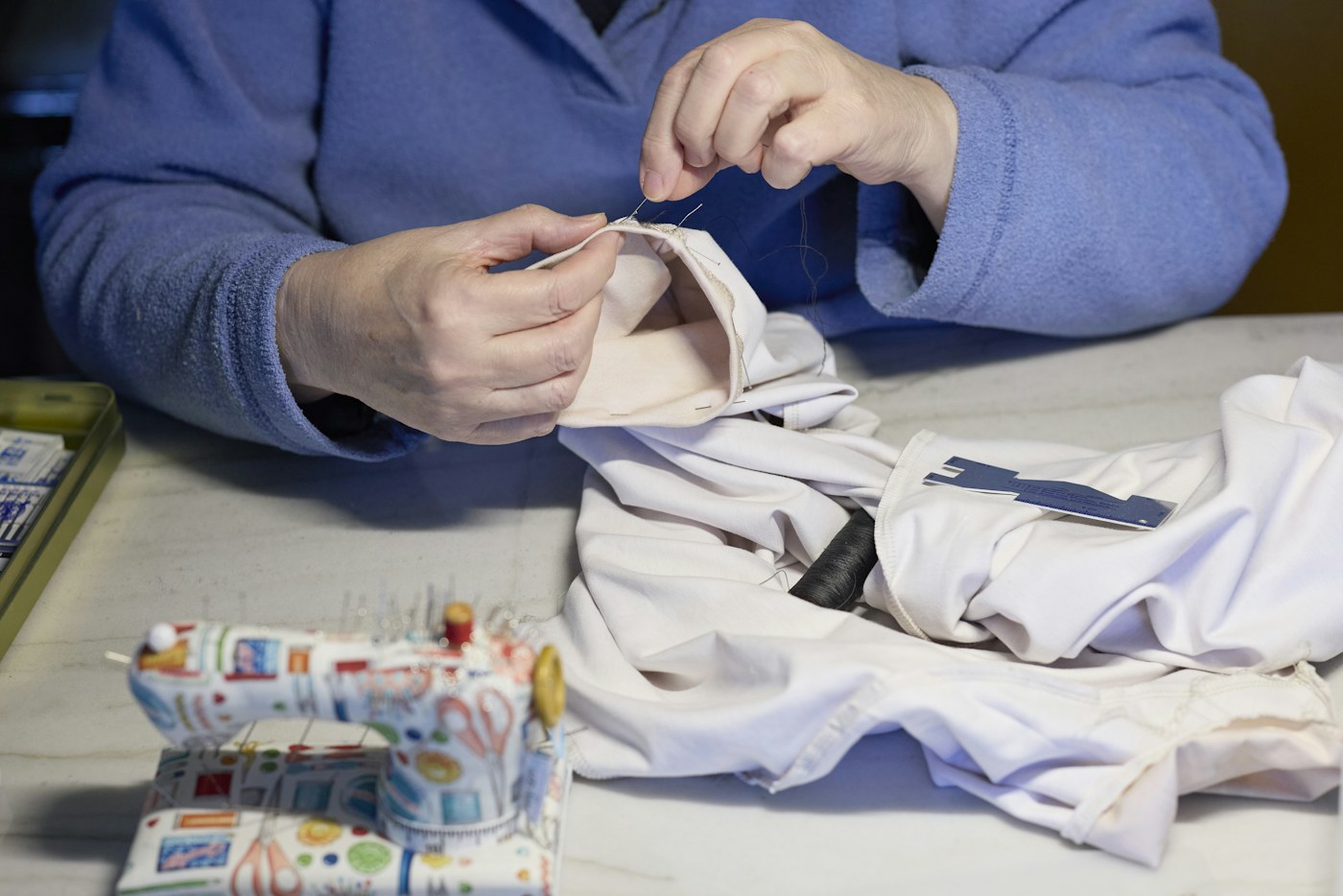
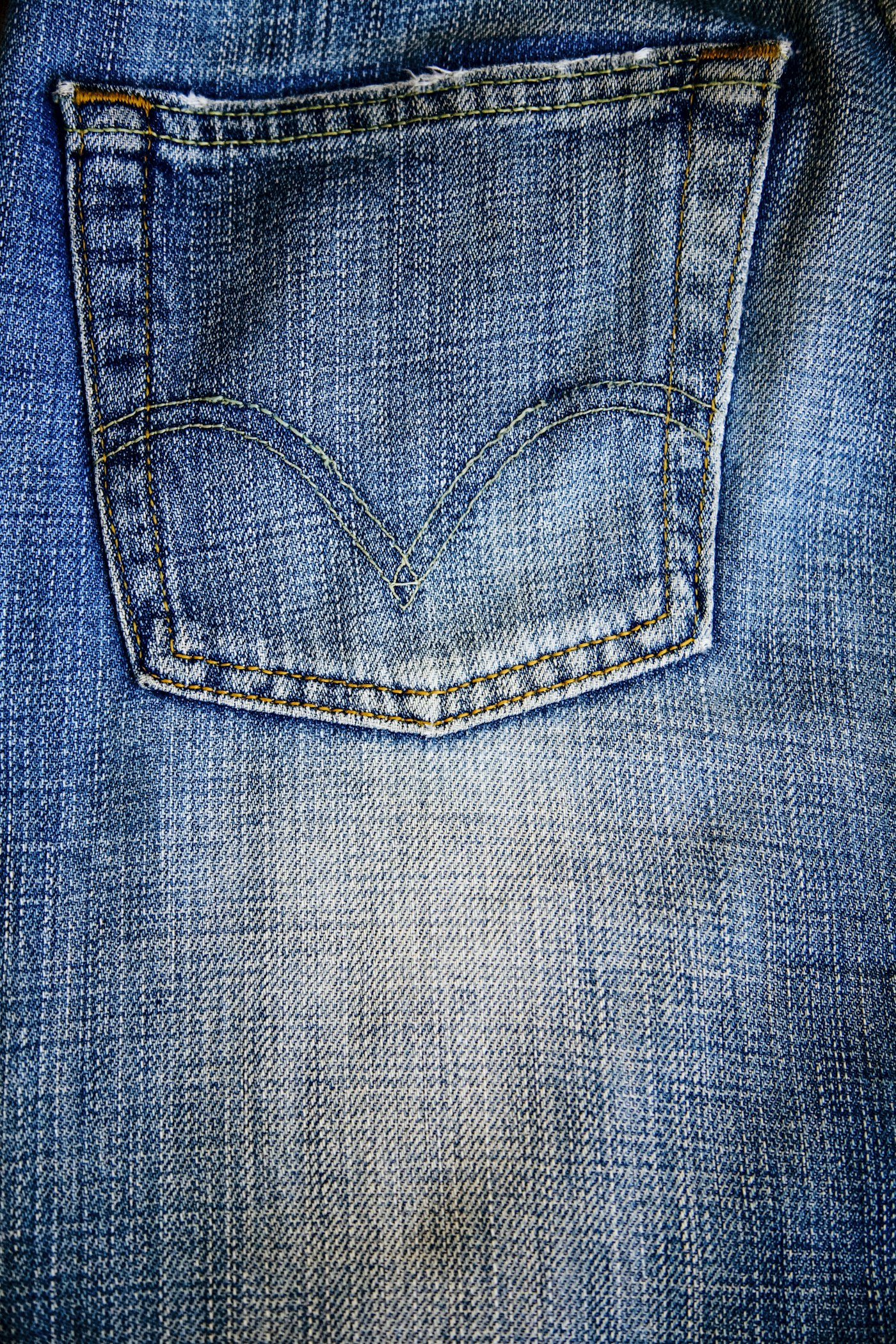
Q: Can the cover photograph diagnose my pocket?
A: No. The photograph is illustrative. The two-pocket comparison is hypothetical, and no physical inspection or durability test has been performed on a reader's garment. Clear item-specific observations are still needed before choosing work.
Q: What should I tell a repair service?
A: Identify the garment, which pocket is affected, whether the fault lies at a seam or in the bag cloth, and what useful depth or appearance you want to preserve. Ask whether they need the garment in hand before assessing the options.
One thing to take forward
I would locate the pocket bag before touching a loose thread. Once the container, entrance and supporting seams are distinguished, a small gap can receive an appropriately small repair and a worn bag can receive a properly larger decision. That is the value of looking inside: the work can preserve the pocket the person actually uses, instead of merely making its damaged edge look closed.
Sources & further reading
Something needs correcting? Write to the editors with the article link.