Clothing repairs
A button needs room to close, not just more stitches
Before reaching for stronger thread, I would look at the fabric, the placement and the space under the button.
Repair notes, care guides and small decisions, worked through one question at a time.
25 articles
Before reaching for stronger thread, I would look at the fabric, the placement and the space under the button.
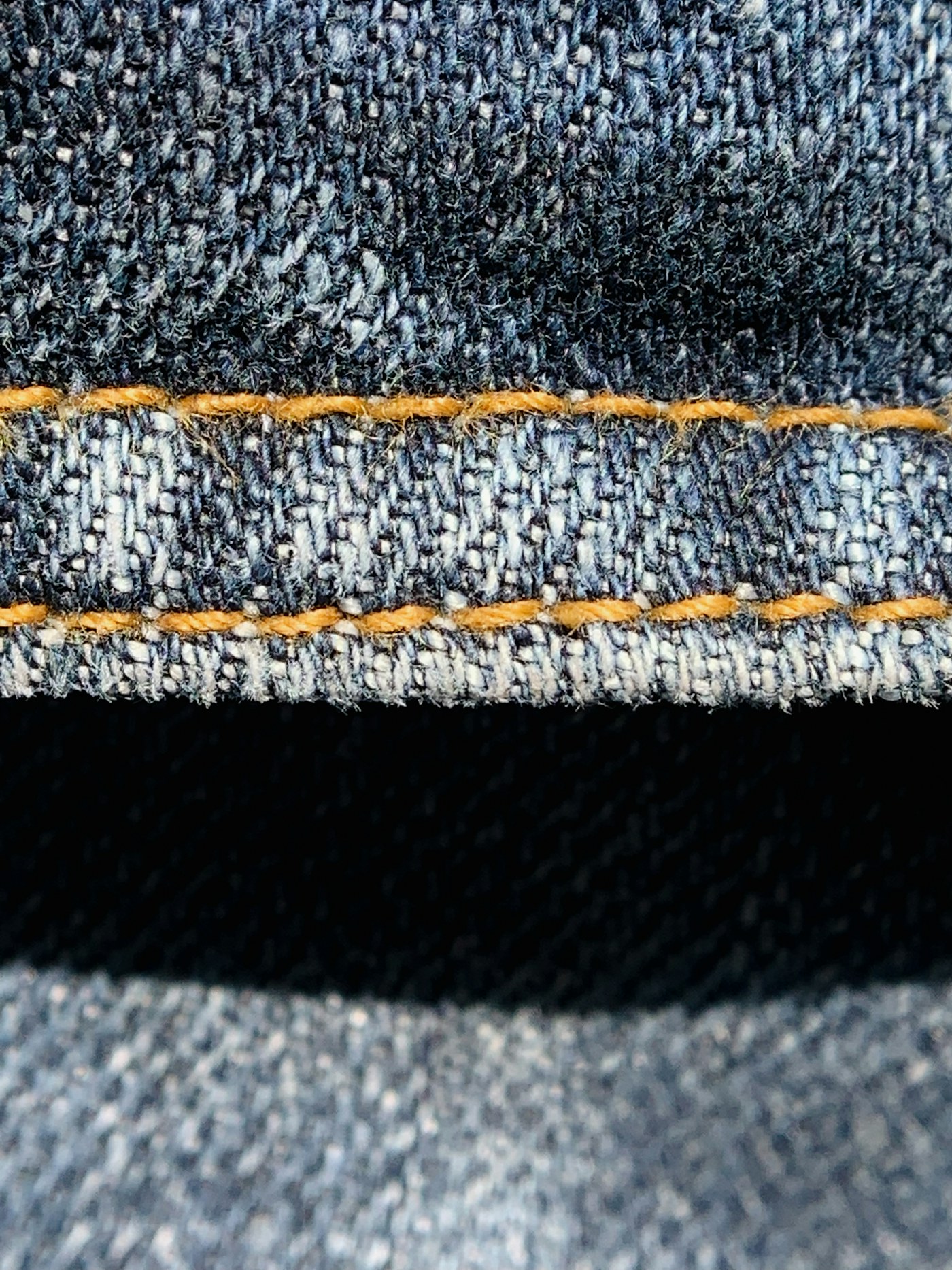
A short opening in intact woven cloth is a chance to preserve the fold before the task grows.
The cloth around the damage tells me more than the shape of the opening alone.
A gentler way to think about knitwear appearance, with a clear distinction between pills and pulled yarn.
The repair material has to live through the garment’s next ordinary care day.
Stitching and the cloth beneath it tell different parts of the same story.
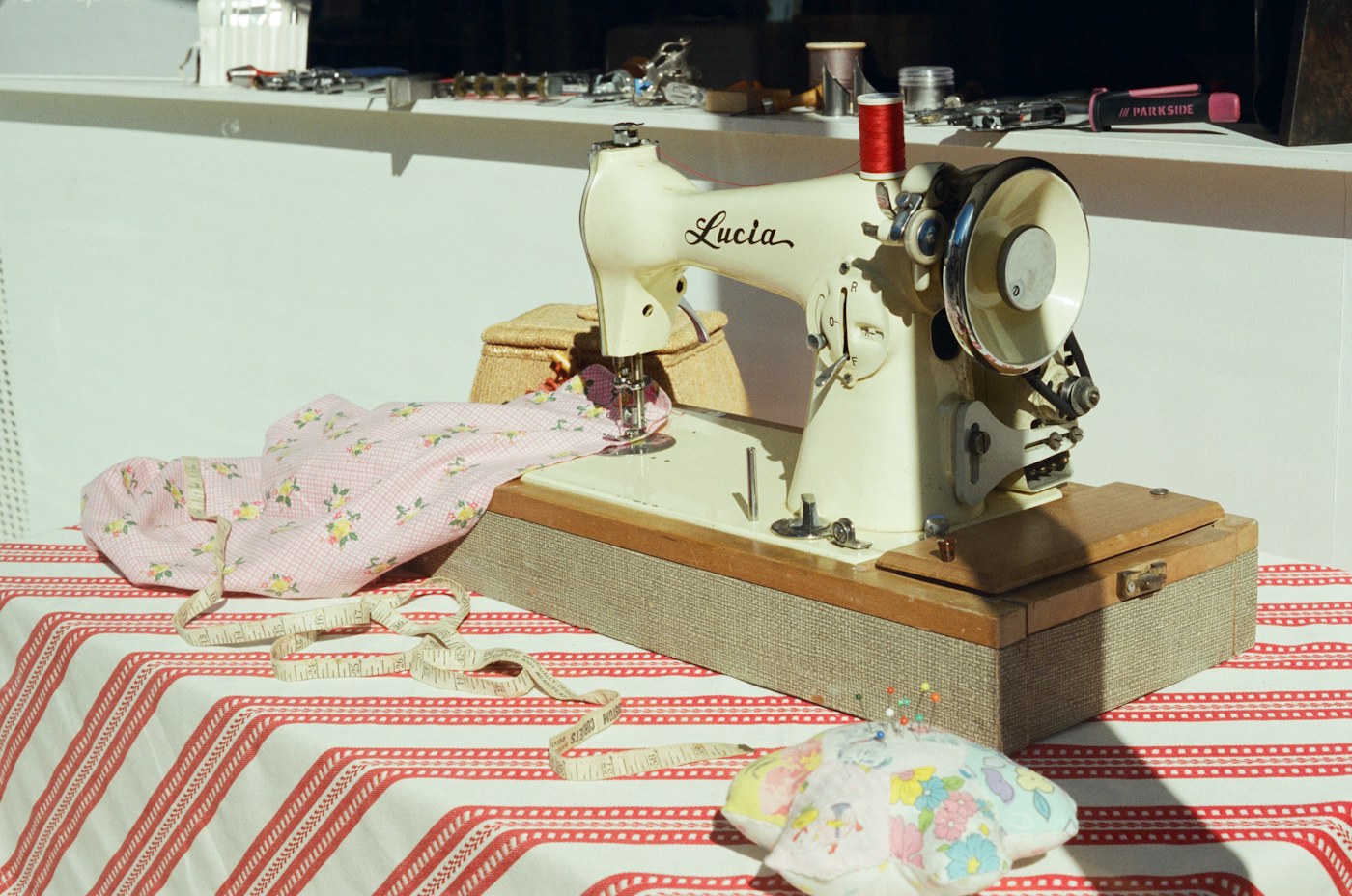
A button, a short woven hem and a practice patch tell me more than a long shopping list.
How I would compare needle, thread and fabric before pushing harder.
A small collection of known materials can be more useful than an overflowing bag of possibilities.
A pull, a slider and damaged zipper tape are different reasons for a fastening to stop working.
A clear handover describes the fault, the desired finish and the questions still needing an estimate.
One item, one next action and a stopping point can make the mending basket less mysterious.
I separate the hidden container from the visible entrance before deciding what a small pocket repair actually needs.
The small loop deserves a construction check before it becomes the place I add another row of stitches.
A small worn band at the wrist asks questions about length, stretch and comfort before it asks for a patch.
A useful hem alteration starts with the shoes, the silhouette and a clear distinction between a finished edge and a cutting line.
I separate a wool garment that needs freshening from one that needs cleaning, then give each a clear next step.
A practical drawer plan for wool knitwear, with attention to shoulders, awkward trims and the difference between daily access and seasonal storage.
My first stain-removal tool is a reliable description: what landed, on which material, and what has already happened to it.
Before drawing a repair line, I decide what it means, how long I need it and how the specific marking product is supposed to leave.
I use a simple paper template to settle coverage, orientation and allowances before asking a piece of fabric to carry the plan.
A small reference folder can keep model identity, approved accessories and needle information from turning into guesses between sewing sessions.
A condition note helps me distinguish an ordinary repair opportunity from a garment whose important questions are still unanswered.
I put scope, access, timing and the actual alternative beside the repair figure before deciding what the number means.
A small, honest photo set can preserve a garment's construction and make a repair inquiry more useful before the original arrangement is disturbed.
Try another phrase, or return to all subjects.